Before the arrival of modern civilization in Africa, people lived quiet lives rooted in traditions that carried deeper meanings. Africa possesses one of the oldest and most diverse cultural systems in the world, grounded not only in spirituality but also in centuries of unwritten history, community values, and artistic expression.
Across the continent, more than a thousand traditions shape the identity of each clan. Though similar in nature, they serve different purposes and hold unique meanings. From North to South, East to West, African culture remains the force that binds communities together.
Among the many nations that embody this heritage is Cameroon, often described as “Africa in Miniature.” Cameroon stands out as a mosaic of cultures, with about 250 to 300 ethnic groups and more than 300 languages. Examples include Akoose, Gbaya, Fula, Koonzime, Mundang, Ngiemboon, Ewondo, Bassa, Bamileke, Duala, and Arabic, among many others.
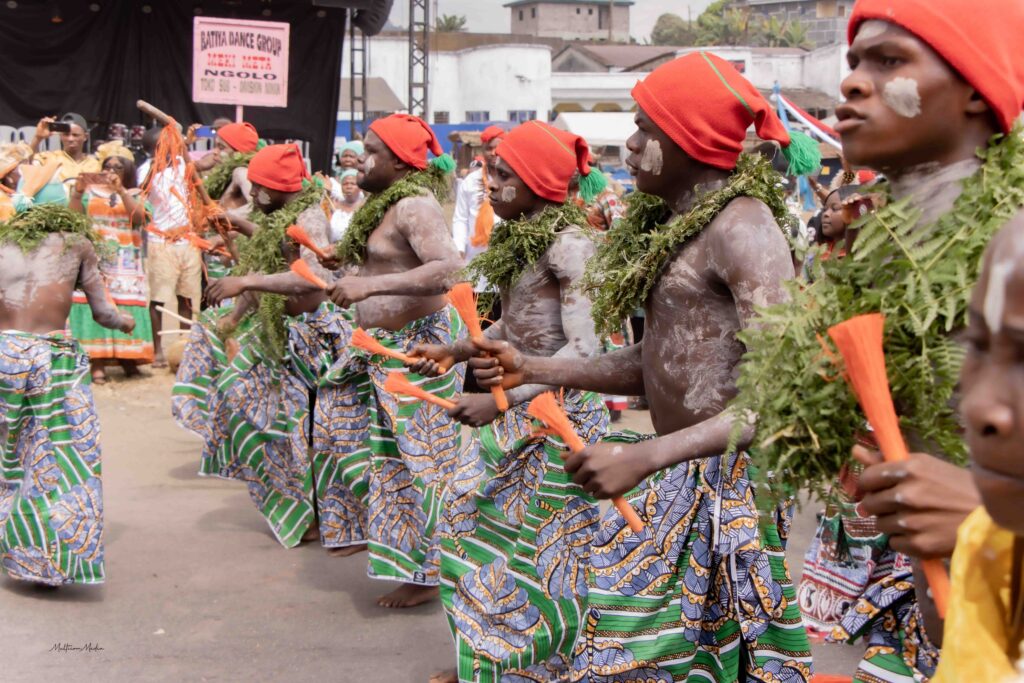
Cameroon is divided into ten regions, each dominated by distinct ethnic groups. These regions express their unique cultures through food, traditional regalia, music, ceremonies, and festivals. Historically, societies were organized into kingdoms, chiefdoms, and clan systems, and cultural practices were widely celebrated without misjudgment.
This changed with the arrival of colonial powers in the 19th century. Cameroon became a German colony in 1884. After Germany’s defeat in World War I, the territory was divided between France and Britain under League of Nations mandates. Colonial rule introduced Christianity, Western education, and European administrative systems.
Missionary schools replaced traditional learning systems and promoted literacy in European languages. As a result, French and English became the official languages. Colonial architecture, dress styles, and religious practices gradually blended with indigenous customs.
After independence in 1960 and reunification in 1961, Cameroon experienced a cultural revival. Music became a powerful expression of identity—Makossa, popularized by artists like Manu Dibango, brought Cameroonian rhythms to the global stage. Similarly, Bikutsi, introduced by the Beti people, modernized traditional sounds with electric instruments and urban influences.
Today, Cameroonian culture continues to evolve under the influence of globalization and technology, yet it remains deeply rooted in its traditions.